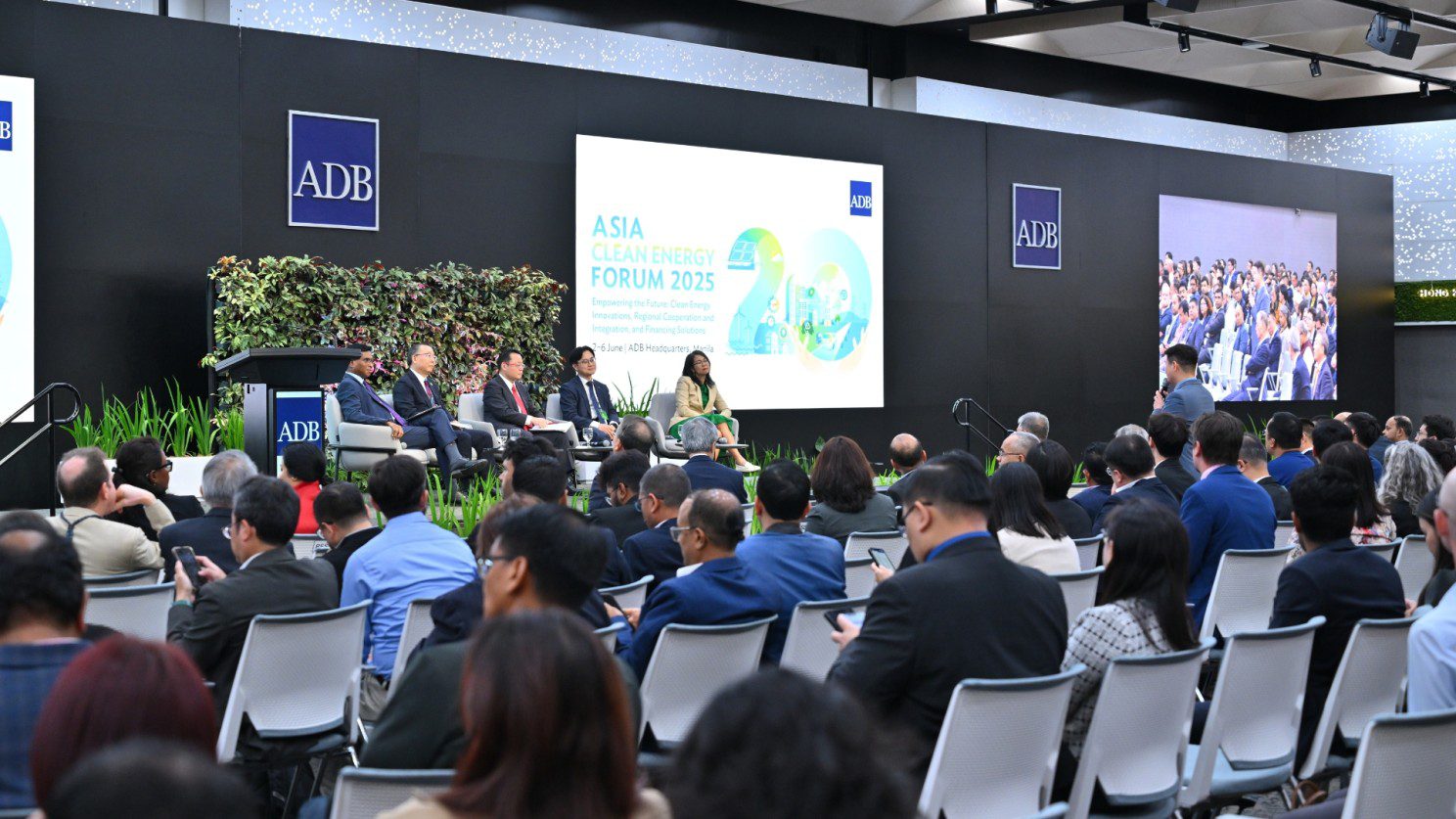
A recent panel discussion on “The Future of Energy Security” brought together leading experts from international agencies, government, and industry to dissect the complex challenges and opportunities facing the global energy landscape, particularly in the dynamic Asia-Pacific region. The discussion underscored the urgency of accelerating the energy transition while ensuring affordability, reliability, and inclusivity.
The panel featured:
The Rapid Shift to Renewables and Emerging Challenges
The discussion highlighted the remarkable pace of the global energy transition, noting that an impressive 85% of newly added energy capacity globally in recent times has come from renewables. This rapid deployment is mirrored in the transport sector, where one in every four cars sold is now an electric vehicle (EV). While this progress is encouraging, it also brings new energy security considerations. A key point raised was the growing reliance on critical minerals, which are often highly concentrated in a few geographical areas, presenting a significant supply chain risk that poses an energy security challenge.
International Cooperation: The Bedrock of Energy Security
A recurring theme was the indispensable role of international cooperation—encompassing technological exchange, political alignment, and financial innovation.
Optimism was expressed regarding the ASEAN Power Grid (APG) and its potential for regional energy security. However, it was cautioned that translating policy into tangible reality requires concerted effort. Key challenges identified include:
Economic Success and Shared Benefits
The panellists stressed the importance of framing the energy transition as a story of economic success. Shared energy infrastructure, particularly through the APG, can lead to significant advantages:
A significant portion of the discussion revolved around the role of nuclear energy, particularly small modular reactors (SMRs). A notable shift in sentiment was observed, with nuclear now being more openly discussed and included in many national strategies to achieve Net Zero. The grid potential for SMRs was specifically highlighted. It was remarked that just a decade ago, nuclear was a very sensitive and taboo subject in international energy transition discussions.
The perspective from a “nuclear country” like Japan affirmed its commitment to nuclear energy, especially given growing power demand driven by advancements like AI and semiconductor manufacturing. It was emphasized that maximizing decarbonized power sources, including SMRs, will be crucial.
The appeal of nuclear for countries facing limitations on renewable energy development (e.g., limited land or lack of consistent wind) was underscored. While acknowledging historical safety concerns with large nuclear plants, confidence was expressed in modern engineering solutions, particularly for SMRs. SMR deployment is anticipated to begin around 2030, with Korea and the US leading in this area.
However, a cautious perspective on nuclear was also presented, highlighting several challenges:
Navigating the Transition: Policy, Finance, and Inclusivity
It was also pointed out that 63 million people in Asia Pacific still lack access to energy. The energy transition, it was stressed, must be inclusive and benefit everyone, including these underserved populations, requiring careful consideration of pricing and policy inclusion.
Key challenges in scaling renewables in Southeast Asia were identified, including:
Regarding finance, the difficulty in funding “less brown” but essential transition investments was noted, highlighting the need for improved taxonomy to guide such funding. Japan, for instance, is actively working to build zero-carbon industrial parks in Vietnam, integrating green energy solutions to enhance the competitiveness of green value chains and attract Foreign Direct Investment (FDI).
The critical elements for a successful energy transition were summarized as Affordability, Business (Feasibility), and Cooperation. It was emphasized that strong alignment between policymakers and the private sector, along with encouraging dialogue between regulators and utilities for sharing best practices, is crucial. Ultimately, it was asserted that political will is the driving force behind achieving ambitious goals like the ASEAN Power Grid.
Finally, a crucial point regarding the APG was raised: the need for a balance between importing and exporting countries. While some nations may prioritize exporting their excess renewable capacity, large importers like Singapore (which is 91% powered by natural gas according to its energy statistics) will require significant diversification of supply sources through the grid to ensure their energy security. This highlights the complex negotiations and trade-offs required for the APG to truly deliver on its promise.
The panel concluded with a shared sense of optimism tempered by a clear understanding of the substantial work ahead. The future of energy security hinges on accelerating renewable deployment, fostering unprecedented international cooperation, embracing technological innovations like SMRs with caution, and ensuring that the benefits of the energy transition are shared equitably across all populations.